
COUNSELLING • SPECIALTY
Trauma & EMDR
Trauma doesn't always look like one big event. Sometimes it's a thousand smaller ones, stored in the body and the nervous system. EMDR helps your brain process what's been stuck.
What is Trauma?
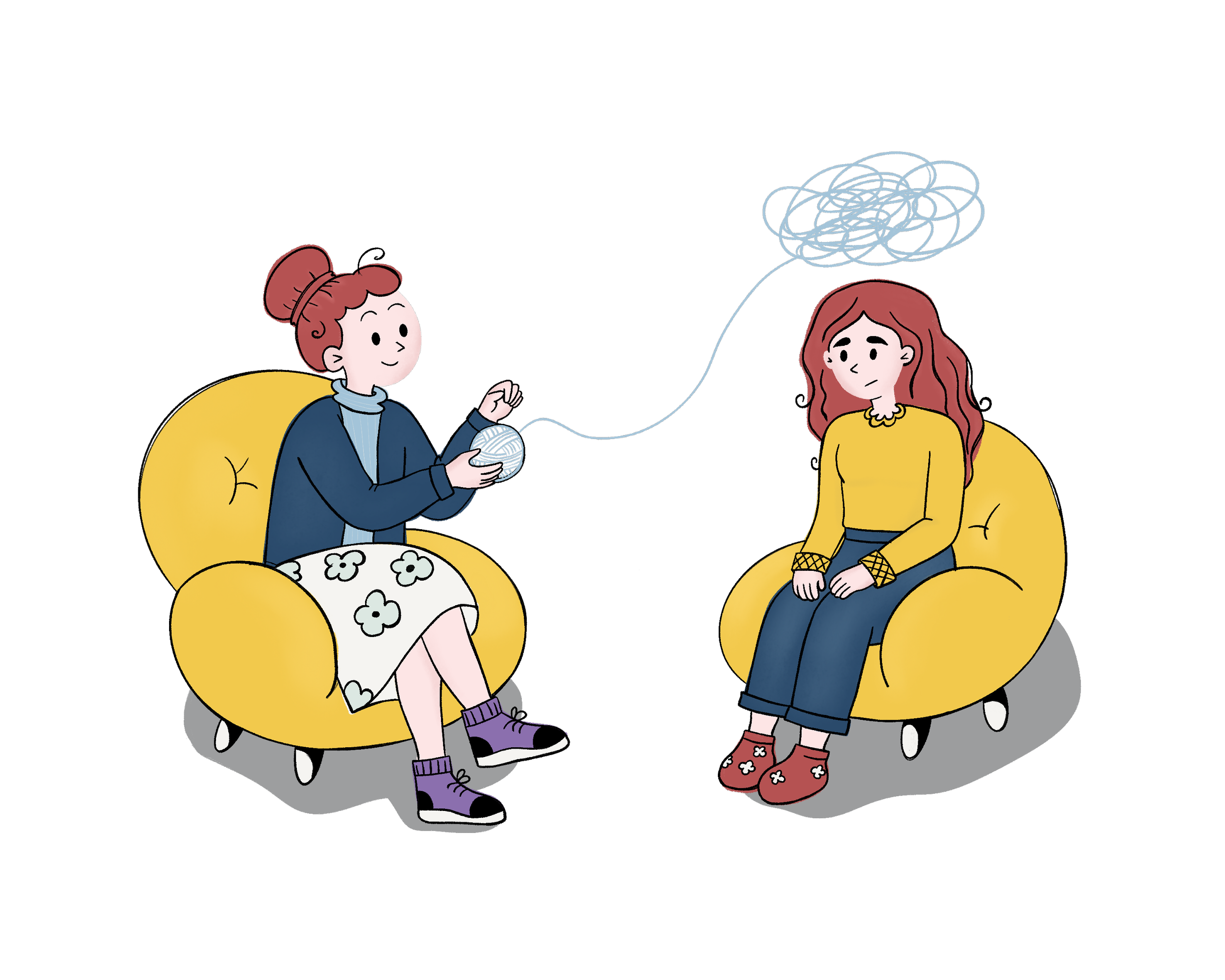
Trauma is the response to a distressing or overwhelming event — or series of events — that exceeds your ability to cope in the moment. It can dull your access to the full range of emotions and experiences, and it can quietly shape how you move through the world long after the event itself has ended.
How Trauma Affects us
Traumatic events activate the amygdala — the part of the brain responsible for detecting threat. The amygdala sounds an alarm, and the body prepares to fight, flee, or freeze. In the moment, that response is doing its job. But when the alarm doesn't shut off, the consequences of living in chronic alert show up everywhere — psychologically, physically, emotionally, and socially.
Common responses to trauma include:
Shame, sadness, anger or fear
Emotional outbursts
Changes in sleep
Nightmares
Nausea, headaches, or gastrointestinal issues
Anxiety, depression, or substance use challenges
What is EMDR?
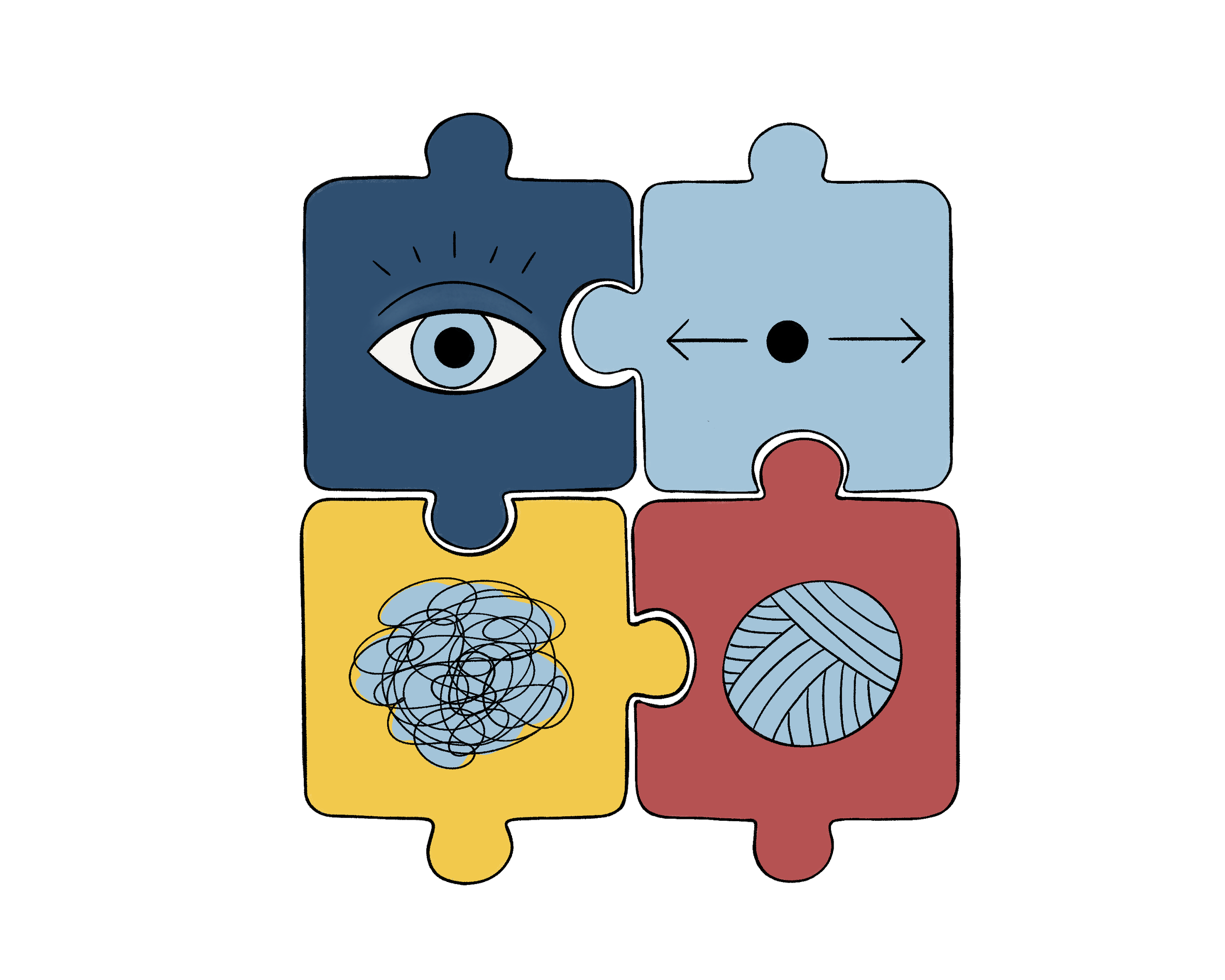
Eye Movement Desensitization and Reprocessing (EMDR) is a well-researched, evidence-based therapy for trauma. It works by engaging the brain's natural information-processing system so that memories and experiences that have become "stuck" can be processed adaptively.
EMDR uses bilateral stimulation — eye movement, tapping, or sound — to mimic the brain activity that occurs during REM sleep, which is when our brains naturally process and integrate experience. By recreating that state intentionally, EMDR helps reduce the emotional charge of difficult memories and rebuild a more workable relationship to them.
Wondering if EMDR is right for you?
A free 15-minute consult is the best place to start. We'll talk through what you're carrying and whether EMDR
(or another approach) is the right fit.